


Cultural experiences between Marrakech and the imperial cities
- July 9, 2025
- Matthma
- 3 min

Morocco is a country that ignites the imagination: sounds, colors, scents, and atmospheres suspended between past and present. But beyond the crowded souks and prepackaged tours, there lies a profound and authentic Morocco, made of encounters, daily rituals, ancient crafts, and shared flavors. In this article, I’ll take you on a journey of discovery of Marrakech and the imperial cities like never before, through cultural experiences that transcend the usual tourist itineraries.
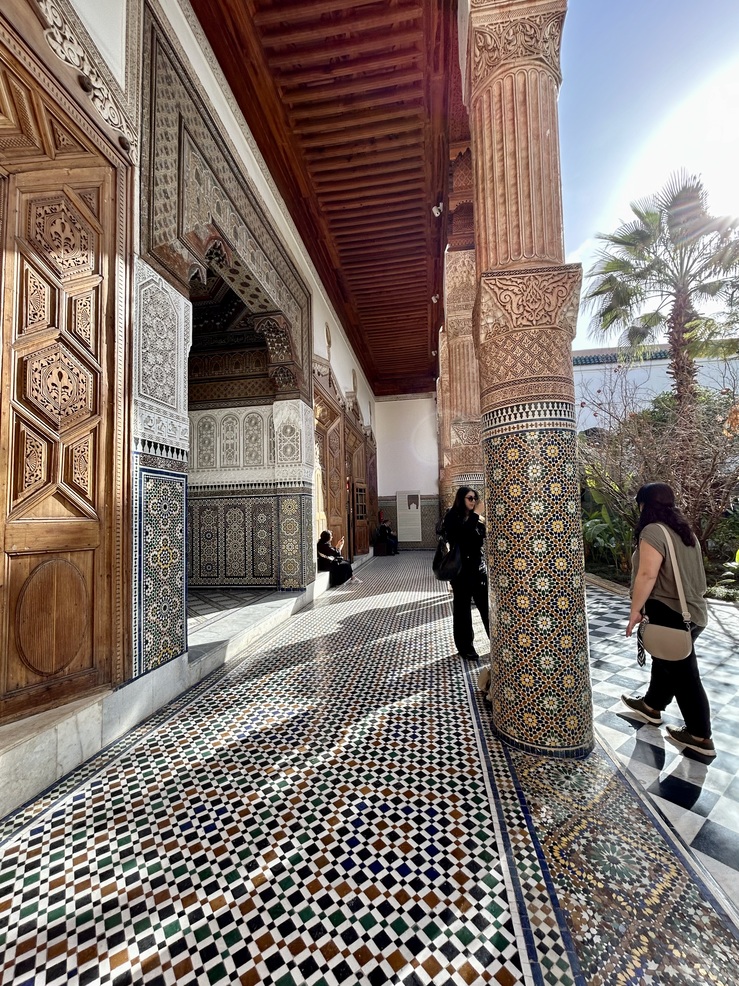
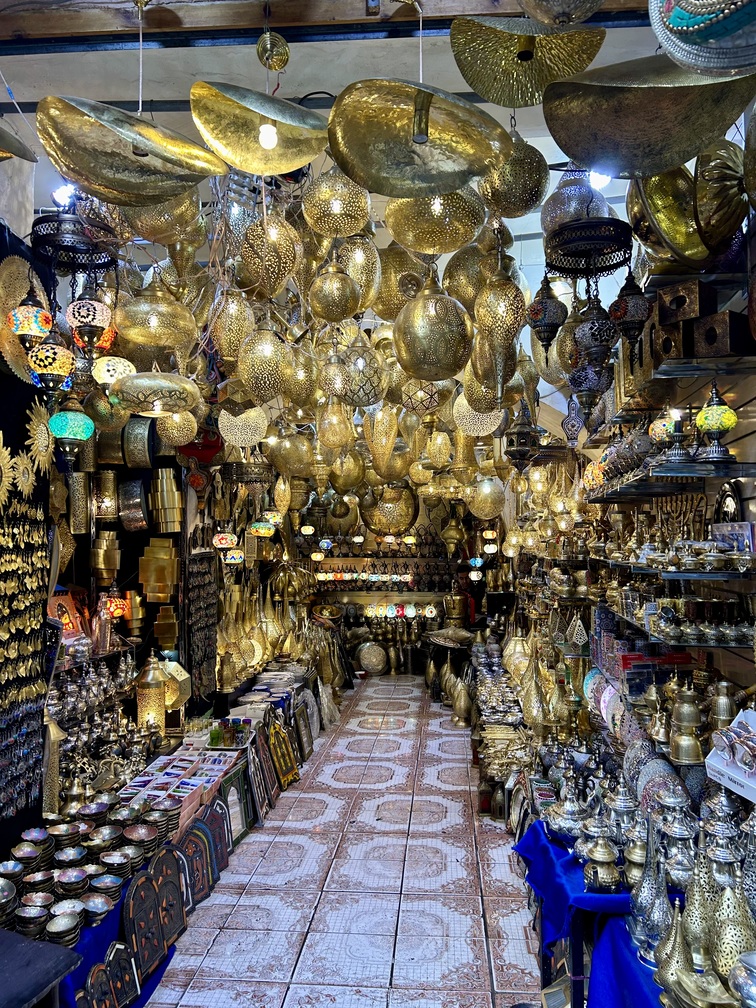
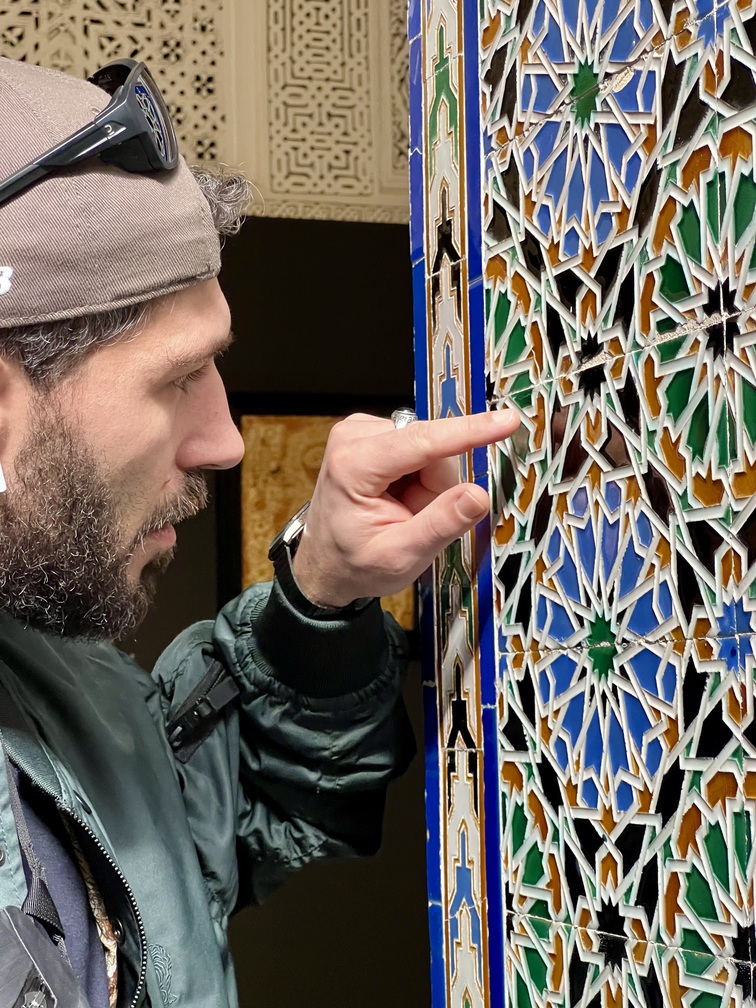
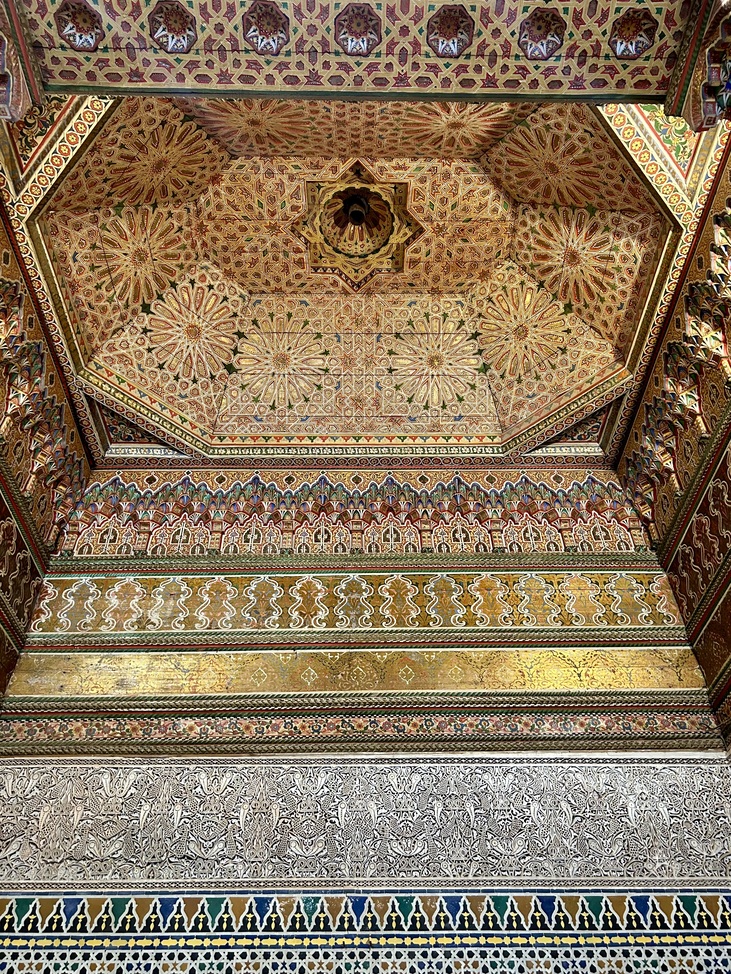
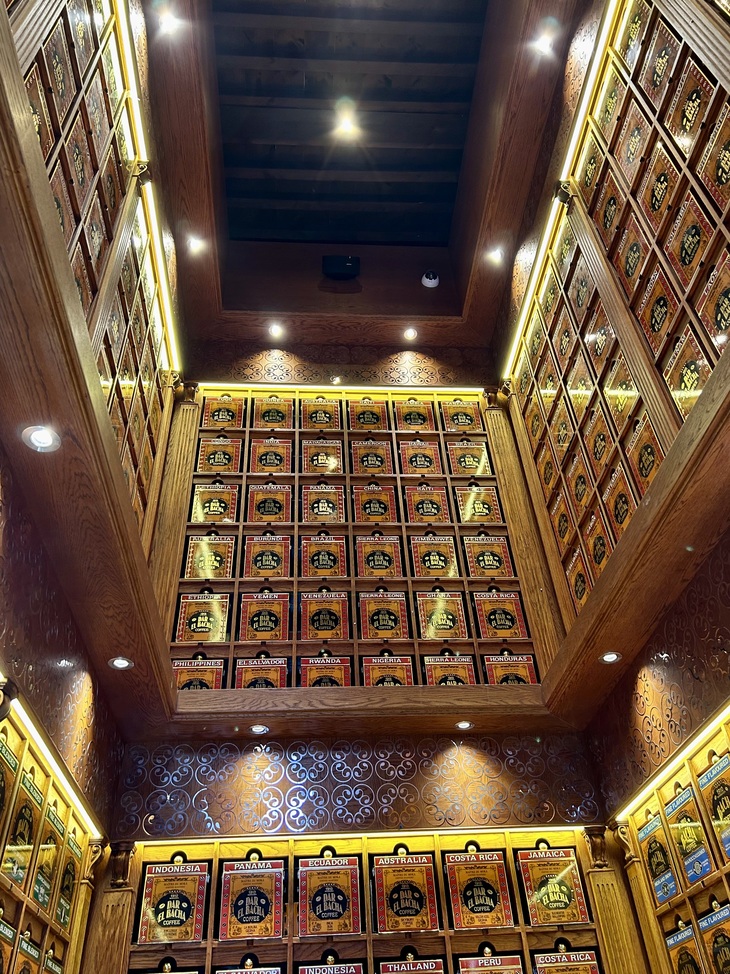
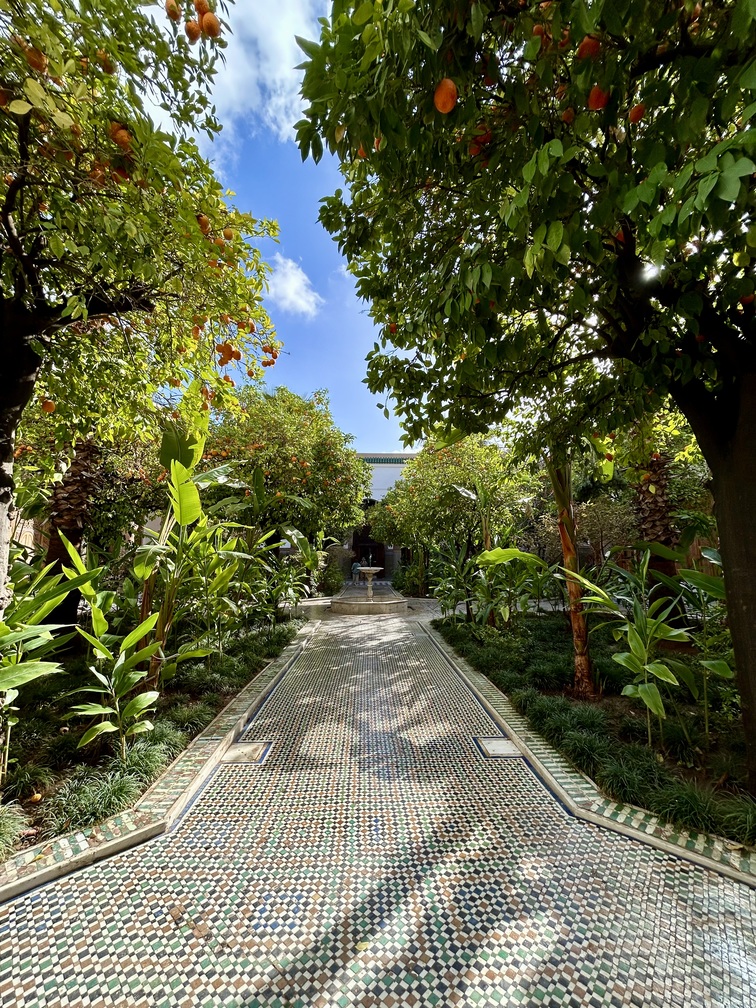
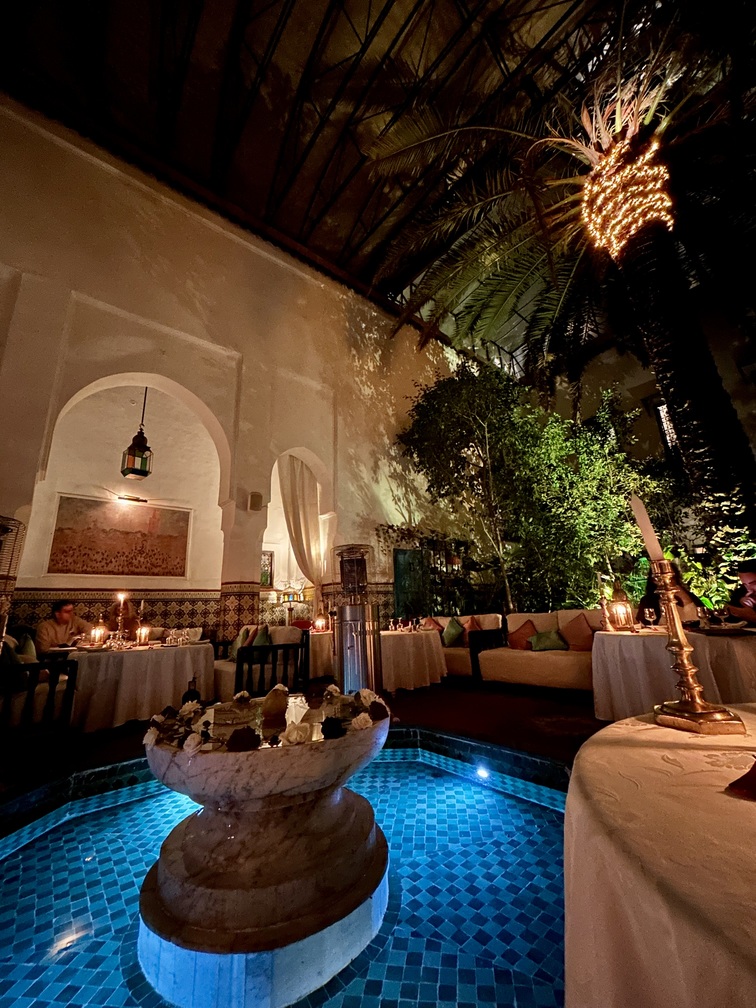
Marrakech: Between Labyrinths and Secret Shops
Marrakech can be chaotic, intense, and at times even overwhelming. I wrote about my firsthand experience of a weekend in the city in this article.
But you only need to get off the beaten track to enter a more intimate dimension. You can participate in a natural fabric dyeing workshop in a hidden shop in the medina, where you’ll learn how to use indigo, turmeric, and henna to hand-dye fabrics as they once did.
Or let a local craftsman guide you through the quiet riads and secret courtyards to discover the work of wood, ceramics, or beaten brass. Every gesture tells a story passed down through generations.
At sunset, climb to the rooftops of the medina with a Gnawa musician who will lead you in a short jam session of percussion and hypnotic chants. It’s not a show, but a genuine sharing.
➡️ Want to experience these off-the-beaten-path experiences? Contact me to plan your dream trip together.
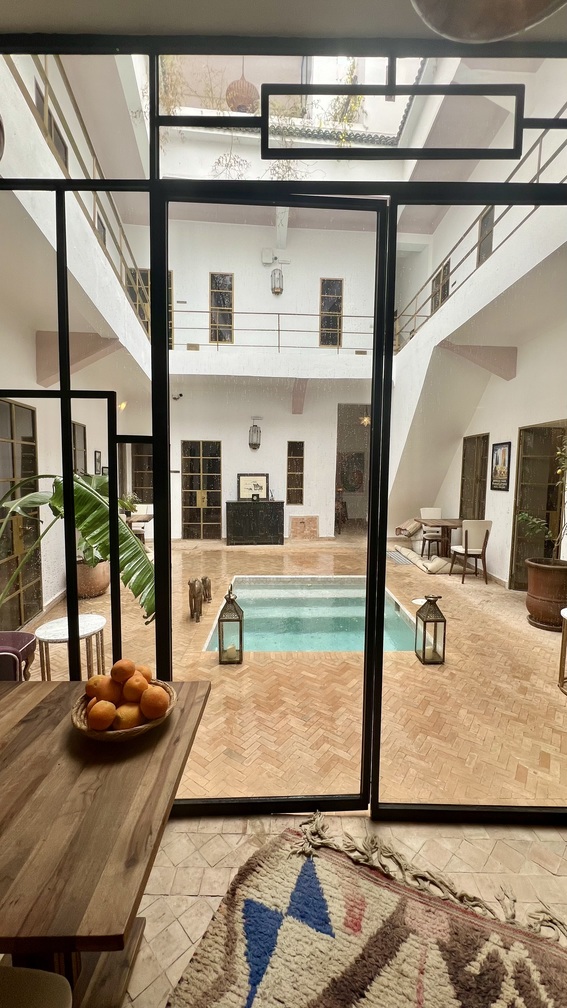
Fez: the wisdom of the hands
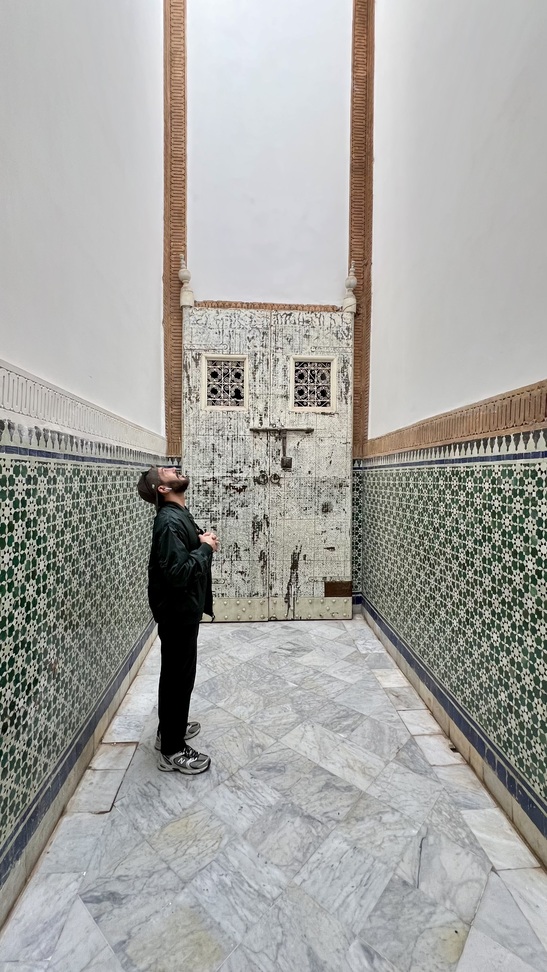
In Fez, the oldest of the imperial cities, time seems to have stood still. The medina is a maze of narrow streets where artisanal heritage lives on every day. Here you can participate in a day of work with tanners from the famous tanneries: a powerful and authentic experience, where you can understand the ancient techniques of leather processing.
But this city is also poetry, calligraphy, and spirituality. Take an Arabic calligraphy lesson with a local master, or immerse yourself in Andalusian music during an intimate concert inside a historic palace.
Meknes: The Morocco You Don't Expect
Lesser-known and more discreet, Meknès welcomes you with a relaxed pace and a genuine population. Here, you can spend a morning in a traditional neighborhood bakery: help knead the dough, bake, and enjoy the still-warm bread alongside local families.
You can also visit a women’s cooperative that produces argan oil and natural soaps, supporting the local economy and listening to the stories of the women who run it.
Rabat: Between Contemporary Art and Tradition
Rabat, the elegant and green capital, combines the charm of tradition with the vitality of the present. Explore the artists’ neighborhoods and participate in a mural painting session with young Moroccan creatives.
Visit traditional music schools and discover how young artists reinterpret ancient rhythms with modern instruments. Or take a cooking workshop in the Kasbah of the Udayas, learning how to prepare traditional couscous using simple ingredients and techniques passed down orally.
When to go to Morocco
Morocco can be visited all year round, but the best times are:
- Spring (March-May): mild temperatures, long days, and nature in bloom. Ideal for visiting the imperial cities and the south.
- Autumn (September-November): Pleasant weather and fewer crowds than summer. Excellent for cultural and artisanal activities.
- Winter (December-February): Perfect for exploring cities without the crowds, with cool but pleasant temperatures (especially in the south).
➡️ Want to know which period best suits your travel style? Contact me and let’s discuss it together.
How to get around
- Trains and buses: Between the imperial cities, trains are comfortable, economical, and punctual. Buses (CTM and Supratours) are excellent alternatives.
- Private driver: for those who want more flexibility and personalized stops. Ideal for small groups or travelers seeking comfort.
- Walking through the medinas: bring comfortable shoes! Historic cities are best explored on foot, getting lost in their labyrinths.
Where to stay
- Traditional riads: authentic, well-kept, with an intimate atmosphere. Ideal for immersing yourself in the local culture.
- Maison d’hôtes and guesthouses: perfect for those seeking a family welcome and contact with residents.
- Eco-lodges and rural oases: for immersive experiences in nature or on the outskirts of imperial cities.
In any imperial city, the key to an authentic experience is only one: abandon the idea of ”seeing everything” and start really “feeling” what surrounds you.
Leave room for encounters, for slowness, for listening. Enter courtyards discreetly, drink tea slowly, ask before taking photographs.
Authentic Morocco reveals itself to those who know how to observe with respect.
This isn’t just a trip, but an invitation to experience the country with new eyes. And if you’d like to discover these experiences in a more organized way, you can always contact me: I‘ll be happy to help you design your customized itinerary.